Lyford Cay's New Property Tax Class: Why the Law Differs From the Budget Headline
November 12, 2026
November 12, 2026
"Under this reform, a new category of foreign-owned property will be established, subject to a defined tax rate of 0.625 percent and a maximum cap of $200,000." Those words come from the 2026/27 Budget Communication read in the House of Assembly on May 27, 2026, and the figure travelled quickly. Three weeks later, Tribune Business reported the same terms: qualifying owners "will pay a rate of 0.625 percent, with the amount of annual tax payable capped at $200,000."
The law that took effect on July 1 says something else.
The Real Property Tax (Amendment) Act, 2026 is No. 21 of 2026. It received assent on June 30, 2026, was published in the Extraordinary Official Gazette on July 1, and came into force the same day. It creates a class called "foreign owner-occupied property" and sets its rate in two parts. Value up to one million dollars is taxed at "five-eighths of one per centum per annum," and value above one million dollars at "one per centum per annum," with the annual tax capped at $200,000.
The two-band structure was added late. The Bill tabled with the Budget charged a single rate of five-eighths of one percent on the whole assessed value, subject to the same $200,000 cap. The flat rate described in May therefore matched the draft. The Act that passed added a 1% tier.
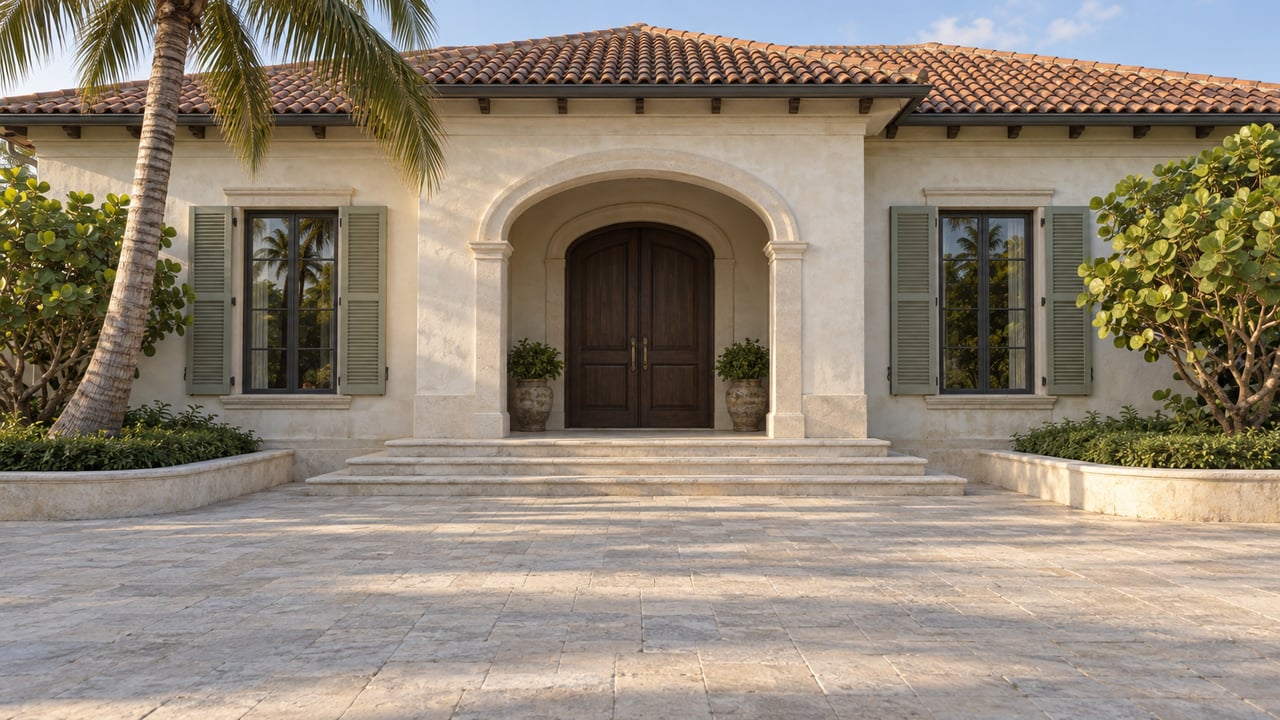
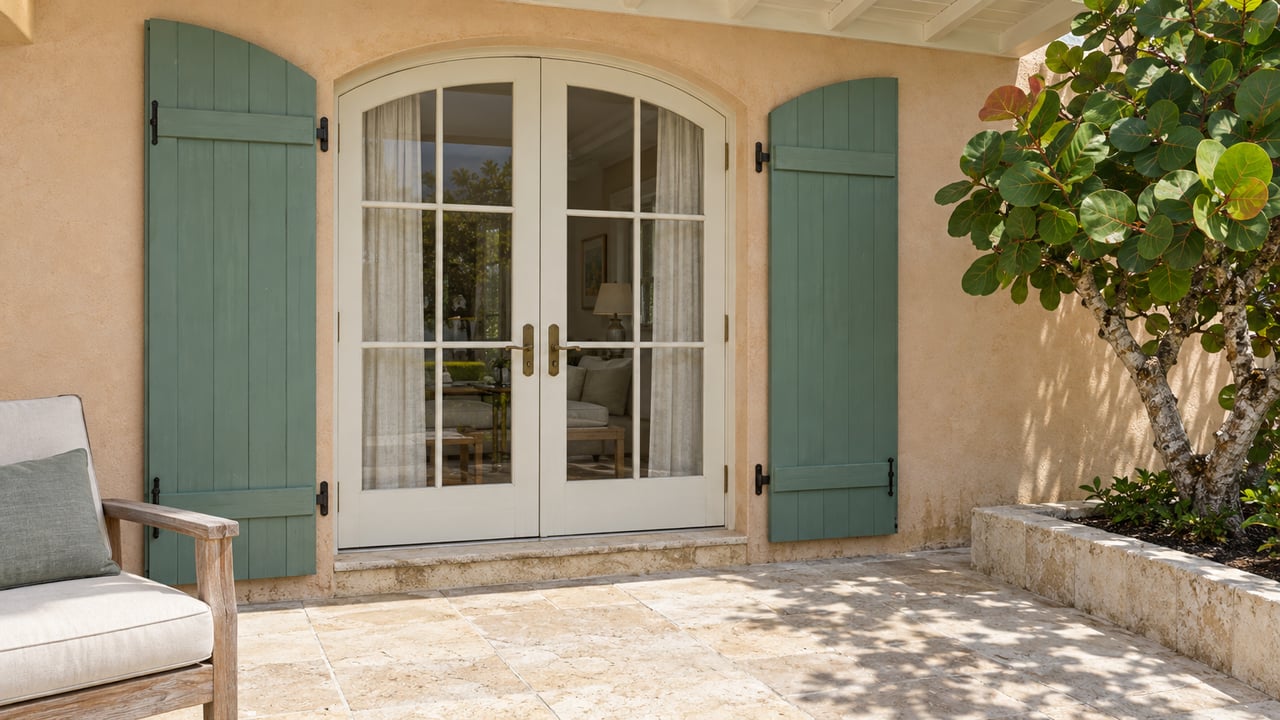
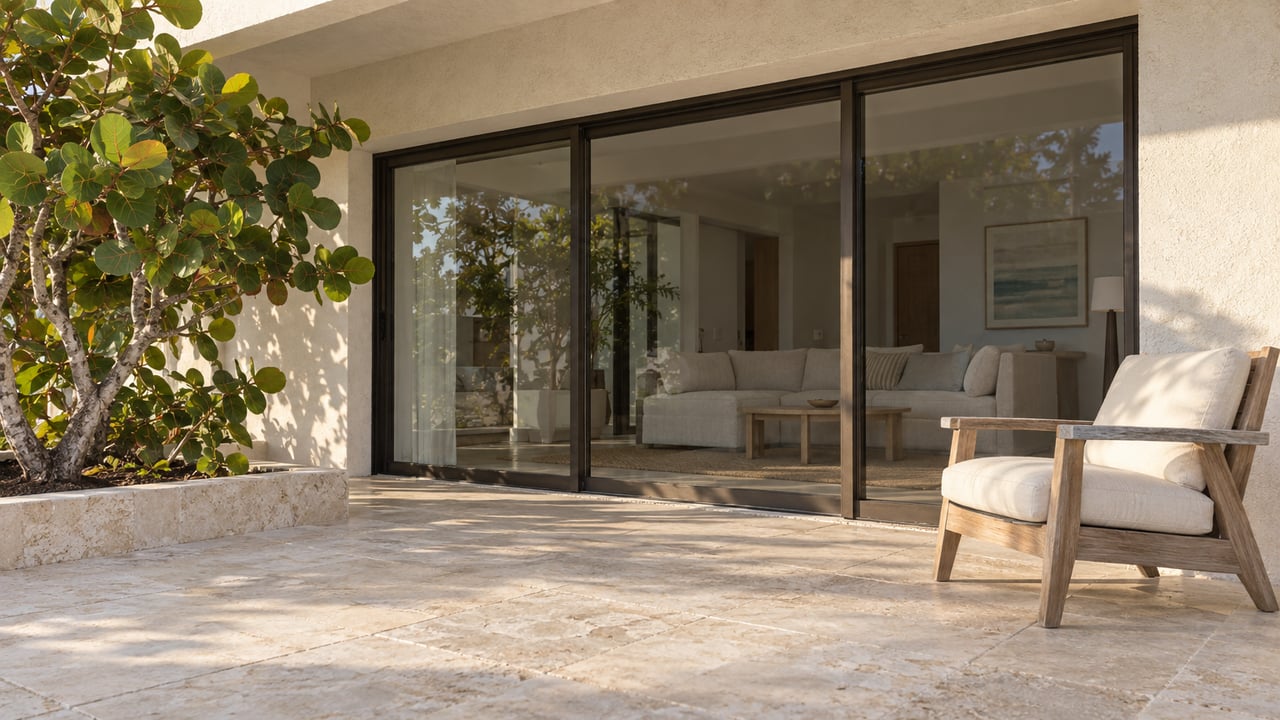
Lyford Cay's housing runs from cottages and condominiums to beachfront estates on Clifton Bay.
In June, a prominent Bahamian realtor told Tribune Business that private islands and foreign-owned homes worth more than $20 million should not have their annual tax capped at $200,000, and suggested "another tier." The cap figure in the Act did not change. The added 1% band means homes reach it at a much lower value.
Under the Act, foreign owner-occupied property is a home owned by a non-Bahamian who holds a residence permit or annual work permit under the Immigration Act, or a Home Owner Resident Permit under the International Persons Landholding Act. The owner must also occupy and live in the property "exclusively as a dwelling house on a permanent or seasonal basis."
The same Act narrows "owner-occupied property" to a Bahamian or the holder of a certificate of permanent residence with a right to engage in gainful occupation. It also deletes the words "for a period of not less than 90 days in the year" from that definition. The cap for that class is $150,000 a year. In the Budget, the Ministry of Finance described the change as replacing "the former 180-day test" with a standard based on whether the property is used as a residence.
The Act also adds section 3A on co-owners in different categories.
The Department of Inland Revenue's RPT forms page now lists a "Foreign Property Owner Declaration of Residence," next to its email verification and assessment verification forms.
The billing calendar is changing. KPMG reported on August 24, 2026 that the Department, under its "One Tax Bahamas" plan, intends to issue all real property tax notices electronically, bills included. Owners have been asked to update their email addresses, and digital bills were expected from October 2026, when the 2027 assessment lists are legally due for publication.
The government's projections show the class is meant to produce substantial revenue. According to the Tribune Business report, the Budget forecasts $24 million from the new category in fiscal 2026/27, $26.5 million in 2027/28 and $28.3 million in 2028/29. The paper noted that not all of this is new revenue, because many of these owners were previously taxed under other categories. In the same piece, the managing partner of another real estate firm called the reform "a balancing act" and said "there has to be a lot of clarity and execution has to be on point."
This is general information drawn from published legislation and reporting. It is not legal, tax or financial advice, and owners should confirm their own classification and liability with a Bahamian attorney or tax professional.
What rates does the Act set? The Act sets a rate of 0.625% on the first $1 million of assessed value in the foreign owner-occupied class and 1% on value above $1 million, with annual tax capped at $200,000.
When did the new class take effect? On July 1, 2026, the commencement date in the Act, which received assent on June 30, 2026.
For a private conversation, contact Rolle Realty Group.
Our latest perspectives on Bahamian real estate, investment and the people, places and traditions that shape life here


Dining & Lifestyle

Dining & Lifestyle