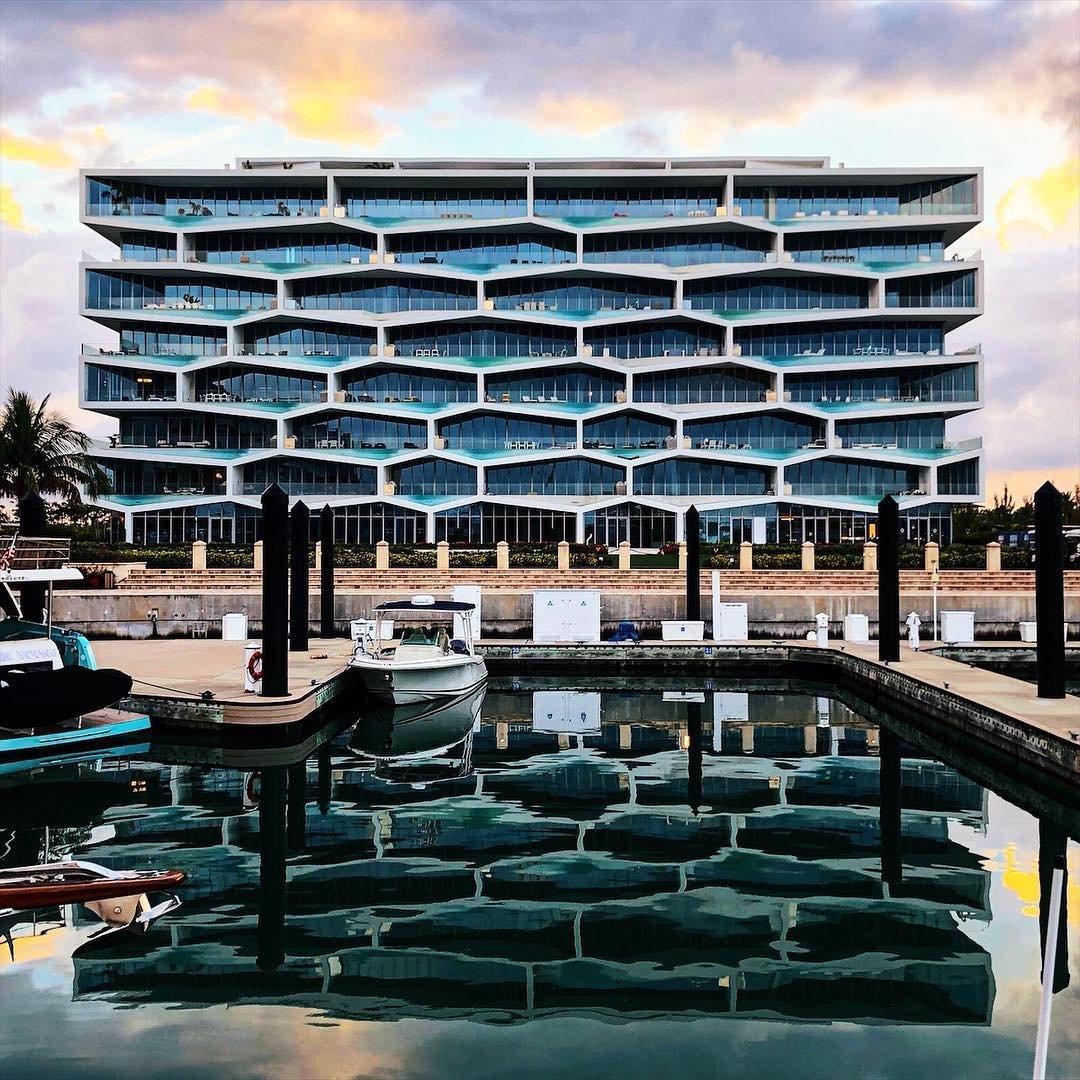
Bahamas Permanent Residency Through Real Estate: What International Buyers Should Know
Investing in The Bahamas Ceron Rolle, Broker & Founder, Rolle Realty Group September 17, 2026
Investing in The Bahamas Ceron Rolle, Broker & Founder, Rolle Realty Group September 17, 2026
For many international buyers, the decision to purchase property in The Bahamas begins with a place they already know well.
It may be a waterfront home in Nassau, a condominium on Paradise Island or a quieter retreat in Exuma. Often, our clients have been coming to The Bahamas for years. They know where they like to stay, where they spend their time and, in many cases, the communities they are naturally drawn to. Buying becomes a way of establishing something more permanent here, whether that means a second home for the family, an investment or a future residence. Residency often enters the conversation somewhere along the way.
If you are already considering a substantial investment in Bahamian real estate, it is reasonable to ask whether that investment could also qualify you for permanent residency, what the current requirements are and whether residency should influence the property you ultimately purchase.
After nearly a decade working with buyers and investors in The Bahamas, I have found that these conversations are most useful when they happen early. Residency is rarely the only consideration shaping an acquisition of this size, and understanding it alongside the rest of your objectives gives us a much clearer picture of what you should be looking for.
The Bahamas provides an Economic Permanent Residence pathway for qualifying international applicants who make an eligible investment in the country.
Under the framework currently in effect, the minimum qualifying investment is US$1 million, which may be made in real estate in The Bahamas or qualifying Zero Coupon Bonds issued by the Central Bank of The Bahamas. The investment is required to be maintained for a minimum of ten years.
You may still come across older articles online referring to a US$750,000 investment threshold. The minimum increased to US$1 million effective January 1, 2025, so it is important to make sure any guidance you are relying on reflects the current requirements.
For an international buyer who already intends to own a home in The Bahamas, a qualifying real estate acquisition may therefore form part of an application for Economic Permanent Residence. The residency application remains a separate process, with its own documentation, due diligence and government approval.
If permanent residency is part of your plans, we encourage you to establish the legal requirements before the property search becomes too advanced. We work closely with the client's Bahamian legal and immigration advisors throughout the acquisition so that the real estate, ownership and residency considerations can be addressed together as the transaction progresses.
It makes for a far more considered process, particularly when the purchase sits within a wider family, investment or estate-planning strategy.
There is an understandable temptation to begin with the property.
You arrive in The Bahamas, see a house that feels right and begin negotiating. Residency, ownership structure and the longer-term implications of the acquisition can easily become conversations for later.
For a straightforward second-home purchase, that may present no difficulty. When permanent residency is one of the objectives, however, we would rather understand that from the beginning.
Our initial conversations with international buyers tend to go well beyond bedrooms, bathrooms and budget. We want to know how much time you expect to spend here, who will use the home, whether you plan to rent it while you are away and whether this is likely to remain a second residence or eventually become your primary home.
If the property is being acquired as part of a family office portfolio or through a particular ownership structure, we also want the appropriate advisors involved early enough for their guidance to inform the transaction.
This does not mean choosing a property around an immigration threshold. A home still needs to make sense as a real estate acquisition.
If you are committing US$1 million, US$3 million or considerably more to property in The Bahamas, we want to understand the quality of the asset, how the asking price compares with the market, the implications of the location and what ownership is likely to look like over time.
The residency objective becomes part of that wider assessment.
The current Economic Permanent Residence framework requires the qualifying investment to be maintained for at least ten years. For buyers using real estate as their qualifying investment, this introduces a longer horizon into the property decision from the outset.
Ten years is enough time for your own circumstances to change. Children grow up. A home that begins as a holiday property may become somewhere you spend several months each year. Parents may start travelling with you. A property purchased primarily for investment may eventually become more important to the family than its rental return.
The property itself will change over that period too.
For a condominium, we would want to understand the quality of the development, how it is managed and maintained, the financial health of the condominium association where that information is available and any significant capital works that may be anticipated.
With a waterfront home, the condition of the seawall, dock and other marine infrastructure can have a meaningful effect on future expenditure. On a Family Island, access to dependable property management and maintenance becomes especially important for an owner who may spend much of the year overseas.
We also look at the surrounding community and the property's position within it. Future development, available amenities, ease of access and the depth of the resale market can all influence how comfortable we are with a long-term acquisition.
No one can tell you exactly what a property will be worth ten years from now. What we can do is examine what is knowable today and make sure you understand the property you are buying as fully as possible.
This is one of the more difficult questions to answer without first knowing where and how you want to live.
The Bahamian property market varies considerably between islands and even between neighbouring communities. US$1.5 million in Nassau may present a very different set of opportunities from the same budget in Eleuthera or Exuma.
In Nassau and on Paradise Island, buyers at this level may consider luxury condominiums, homes within established residential communities and selected waterfront opportunities, depending on current inventory.
For someone travelling frequently between The Bahamas and North America, Nassau can be particularly practical. Lynden Pindling International Airport provides extensive international connections, and many of the island's established communities are within a relatively easy drive of the airport, private aviation facilities, schools, marinas, restaurants and everyday services.
For some clients, that convenience is central to the decision.
Others arrive in our office knowing that they want something quieter.
In Exuma, Eleuthera, Abaco and elsewhere in the Family Islands, the same budget can create opportunities for more land, greater privacy or direct beachfront, although the practicalities of ownership deserve closer consideration. Travel logistics, utilities, insurance, storm exposure, maintenance and reliable local management all become part of our assessment.
We have clients who would happily trade convenience for the privacy of a Family Island and others who know they want to land in Nassau and be home within half an hour.
Neither is inherently the better investment. We are looking for the property that fits the way you intend to use it and remains sensible within the financial parameters you have established.
When a property is being acquired as part of a family's wider holdings, we often work with several people around the client before a shortlist of homes is finalised.
The family's attorney may be considering the appropriate ownership structure. Tax advisors may be looking at implications in other jurisdictions. There may be estate-planning considerations or established investment criteria that the acquisition needs to satisfy.
Our role is to make the real estate process work comfortably within that wider advisory framework.
That collaboration can be particularly valuable in The Bahamas because seemingly practical property decisions often intersect with larger considerations.
A family expecting several generations to use a home may need considerably more flexibility than the bedroom count suggests. Separate guest accommodation can become important. So can staff quarters, accessibility, security and the ability for different branches of a family to use the property comfortably at the same time.
For another client, the deciding factor may be proximity to private aviation or a marina capable of accommodating a particular vessel. Someone planning extended stays may care more about everyday convenience and community than a buyer who expects to visit four times a year.
These details are highly personal, and they are difficult to capture through a conventional property brief.
We spend the time to understand them because they ultimately shape which properties are worth seeing.
For buyers who will use their Bahamian property for only part of the year, rental income can be an attractive way to offset some of the costs of ownership.
The opportunity varies widely.
A property's location, community, condition and amenities can influence demand, as can the quality of its management and presentation. Community or condominium rules may also determine whether short-term rentals are permitted and under what conditions.
When rental performance is important to the investment decision, we look beyond the headline nightly rate.
We want to understand the property's likely occupancy, the management structure and the expenses that sit between gross rental income and what the owner ultimately receives. Insurance, utilities, maintenance, management fees and periods of personal use all affect the picture.
Seasonality deserves attention as well. The periods when you and your family most want to be in The Bahamas may overlap with some of the strongest rental weeks of the year, which should be reflected honestly in any projection.
Where reliable historical information is available, it can be useful in assessing a property. Where the data is limited, we would rather work with conservative assumptions than build an investment case around a number that may be difficult to reproduce.
International buyers are sometimes surprised by how much variation there can be in the ongoing cost of owning two similarly priced properties.
Before you commit to an acquisition, we want you to have a clear picture of the purchase itself and what the property is likely to require once it becomes yours.
Under current Bahamian VAT legislation, the conveyance, assignment or transfer of real property to a foreign person is subject to VAT at 10%. Your Bahamian attorney can provide the transaction-specific legal and government costs associated with the purchase and advise on how those costs are treated under your particular agreement.
Where financing is involved, lender fees and requirements need to be considered separately.
Ongoing ownership costs may include real property tax, insurance, utilities, community or condominium assessments, landscaping, pool maintenance, property management and general upkeep. Larger residences can carry staffing requirements, while waterfront homes may have marine infrastructure that needs periodic maintenance.
These costs are very property-specific, which is why we prefer to work through them once we are seriously evaluating an acquisition rather than relying on a generic percentage.
The Bahamas is also attractive to international families because there is no personal income tax, capital gains tax or inheritance tax. Your obligations in other jurisdictions do not disappear when you acquire Bahamian property, and clients with cross-border affairs should have their existing tax advisors review the acquisition within the context of their wider structure.
We are accustomed to working alongside those advisors and providing the property information they require as the transaction progresses.
For many of the families we work with, permanent residency is ultimately a family decision.
A couple may begin by looking for a second home and realise over time that they would like to spend considerably longer periods in The Bahamas. Their children may already have strong connections here. For others, the property is being chosen from the beginning with future generations in mind.
The immigration treatment of spouses, children and other dependants should be confirmed with a qualified Bahamian immigration attorney based on your family's circumstances and the rules in effect when you apply.
From a property perspective, knowing that the home is intended to serve the family over a long period changes the way we approach the search.
We begin thinking about how the house works when everyone is there, how much privacy it affords, whether it can adapt as the family changes and whether the location will continue to work as people's needs evolve.
Some of the best homes we see are not necessarily the most dramatic when you first walk through the door. They are the ones that continue to work beautifully as family life changes around them.
No. International buyers can own real estate in The Bahamas without holding permanent residency.
Foreign ownership is governed by Bahamian law, and the requirements applicable to an acquisition depend on the property and its intended use. Your Bahamian attorney will advise on the legal requirements for the specific transaction.
There are also residency arrangements other than Economic Permanent Residence that may be appropriate for someone who wants to spend more time in The Bahamas without pursuing permanent residency through an investment.
This is another reason we like to understand what a client is actually trying to accomplish before making assumptions about the route they should take.
Someone who wants a winter home in The Bahamas has a different set of considerations from a family preparing to relocate. A buyer building an international property portfolio will approach the acquisition differently again.
The property search should reflect those differences.
Buying property outside your home country involves more moving parts than a domestic transaction, and our clients should never feel as though they are left to coordinate those pieces themselves.
At Rolle Realty Group, we remain closely involved throughout the acquisition, working alongside the client's Bahamian attorneys, immigration counsel, tax advisors, lenders and other professionals as required.
That may mean making sure the attorney has the property documents needed for the residency application, coordinating due diligence around the acquisition, keeping the client's wider advisory team informed or simply making sure everyone has the information they need at the right point in the transaction.
For clients who do not already have the appropriate Bahamian professionals in place, we can make introductions to experienced advisors and service providers while remaining transparent about each person's role.
Our clients are often managing businesses, investments and family responsibilities in several places at once. They should not have to spend their time chasing the mechanics of a Bahamian property transaction.
We want them to understand what is happening, know what decisions are required of them and feel confident that the details are being handled properly.
That level of care continues after closing as well. For international owners, settling into a home in The Bahamas can involve everything from property management and household services to renovations and the practical details of spending more time here. Our relationships with clients tend to continue because their relationship with The Bahamas continues too.
A residency threshold can tell you how much you are required to invest. It cannot tell you which property you will be happy to own ten years from now.
That part requires a more personal conversation.
We want to know how you see yourself using The Bahamas, what you value when you are here and what role this property is expected to play within your family's life and wider financial plans.
From there, we can begin looking at the market with considerably more purpose and bring the appropriate advisors into the process as the acquisition takes shape.
For some clients, the answer will be a condominium in Nassau that makes arriving and leaving effortless. For another family, it may be a home on the water where children and grandchildren can return year after year. Someone else may find that the property they originally imagined buying is not the one that makes the most sense once we have worked through the details together.
There is no reason to rush that process.
A significant property acquisition in The Bahamas should feel considered from the beginning, particularly when it may also support your family's plans for permanent residency.
Years after the paperwork is complete, what remains is the home you chose, the life you built around it and your family's connection to The Bahamas.
We want all three to endure.
The information in this article is provided as general guidance and does not constitute legal, immigration, tax or financial advice. Bahamian laws and immigration requirements may change. Rolle Realty Group works closely with clients and their professional advisors throughout the acquisition process, and we recommend obtaining current advice from appropriately qualified professionals before making an investment or residency decision.
Our latest perspectives on Bahamian real estate, investment and the people, places and traditions that shape life here

Dining & Lifestyle

Dining & Lifestyle
Dining & Lifestyle
The Fine Print
Investing in The Bahamas
For international buyers considering a second home or a long-term investment, Bahamian real estate may also open the door to permanent residency. Understanding the req… Read more
The Fine Print
Early termination and default provisions rarely receive much attention when a lease is signed. For owners of luxury rental properties in The Bahamas, however, the deta… Read more