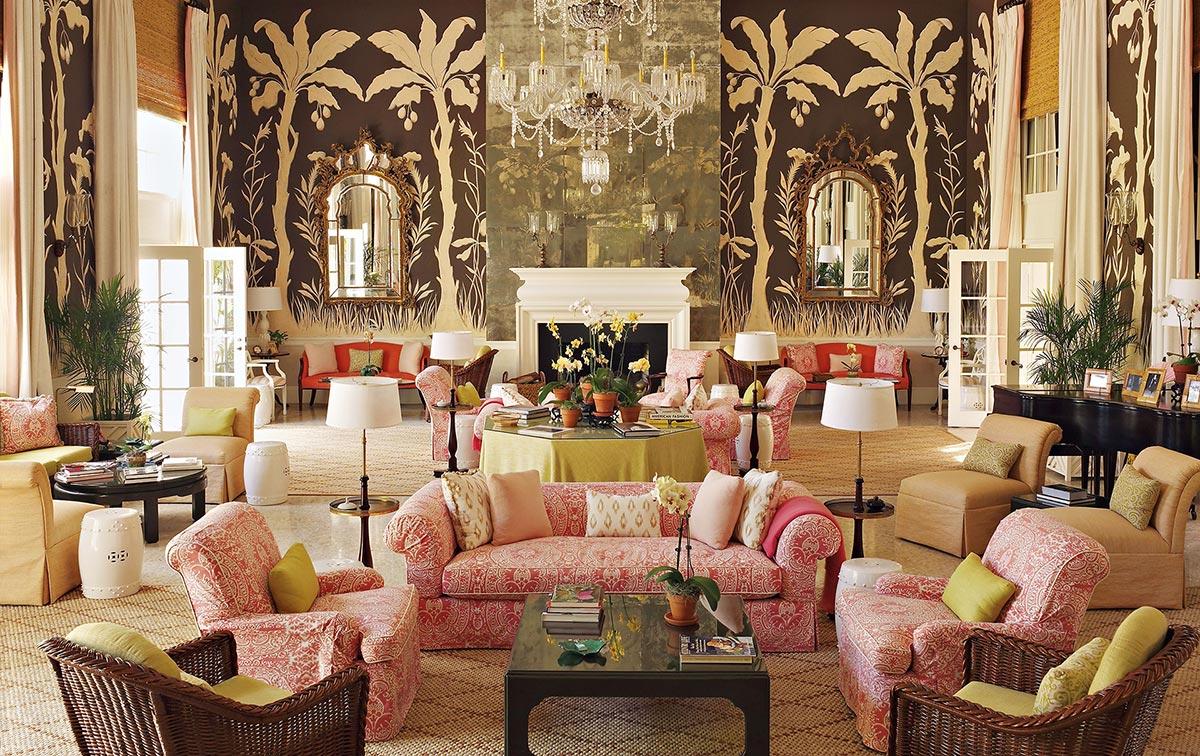
Lyford Cay is a private, gated community of more than 1,000 acres at the western tip of New Providence, built around the members-only Lyford Cay Club since the 1950s. Lyford Cay Bahamas real estate includes beachfront estates on Clifton Bay, canal-front homes with private docks, golf course houses, cottages, condominiums and lots. Club members share a championship golf course, a 74-slip harbour, twelve tennis courts and three-quarters of a mile of beach.
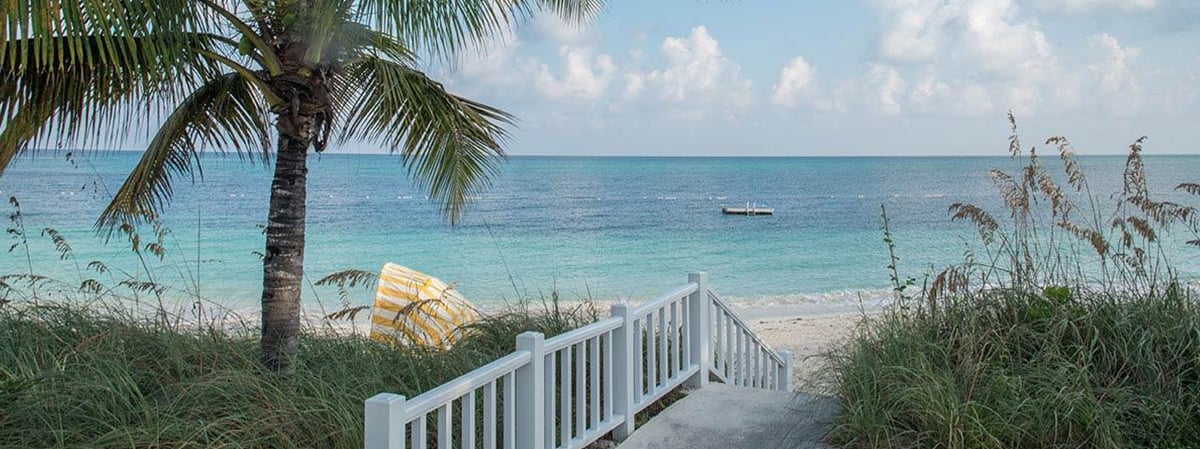
Championship golf by Dick Wilson and Rees Jones · 74-slip private harbour and port of entry · Three-quarter-mile private beach · Twelve Har-Tru tennis courts · Heated pool with 16 cabanas · Spa, salon and fitness centre · Members' sailing club · Six dining venues and eight bars · Clubhouse rooms and cottages for guests · Lyford Cay International School · 24-hour gated security
A morning in Lyford Cay tends to begin quietly. Coffee on a shaded veranda, the canal flat and green beyond the garden, a sprinkler ticking across a lawn that has been growing for sixty years. By eight the first groups are out on the golf course, the tennis courts are in use, and down at the harbour someone is readying a tender for a morning on the water. Nobody hurries here, and nobody expects you to.
The community sits at the western tip of New Providence behind a single, well-guarded gate. Its streets are lined with mature gardens and old trees, and much of daily life runs through the Lyford Cay Club: golf, tennis, the beach, the harbour and the dining rooms. Downtown Nassau is about half an hour to the east, and the airport roughly fifteen minutes away.
Lyford Cay was the idea of E.P. Taylor, the Canadian industrialist who bought 2,800 acres from Sir Harold Christie in 1955, turned marsh and scrub into a golf course and building lots, and opened the Lyford Cay Club in 1959. He hired his first manager from the George V in Paris and a chef from the Hôtel du Cap. In December 1962 President Kennedy stayed at Taylor's house here during his talks with Harold Macmillan that produced the Nassau Agreement. Taylor also founded the school that became Lyford Cay International School, and the Lyford Cay Foundations, which have invested more than US$50 million in the education of Bahamians since 1969.
Lyford Cay is the oldest and most private of the western communities, with the settled confidence of a place passed down through families. Many buyers value that continuity above everything else. Others prefer the modern architecture and resort services of Albany, or the practical family scale of Old Fort Bay, and our community guides, written with the same detail as this one, are there to help you compare them and find the place that fits the way you live.
Location | The western tip of New Providence, about 16 km from downtown Nassau |
Development | E.P. Taylor's Lyford Cay Development Company, formed in 1954; the Lyford Cay Club opened in 1959 |
Scale | More than 1,000 acres behind a secure perimeter |
Residential character | Established estates, canal-front homes, golf course houses, cottages, condominiums and lots, many in Bahamian colonial and Palm Beach styles |
Governance | A property owners' association for the community; Lyford Cay Club membership is by application and separate from owning a home |
Airport access | About 15 minutes by car to Lynden Pindling International Airport |
Marina | A protected 74-slip private harbour, also a port of entry for clearing Customs and Immigration |
Golf | 18 holes, par 72, designed by Dick Wilson in 1958 and renovated by Rees Jones Design in 2006; 7,007 yards |
Major amenities | Six dining venues and eight bars, beach, heated pool, twelve Har-Tru tennis courts (ten lit), spa, salon, fitness centre, sailing club, clubhouse rooms and cottages; Lyford Cay International School |
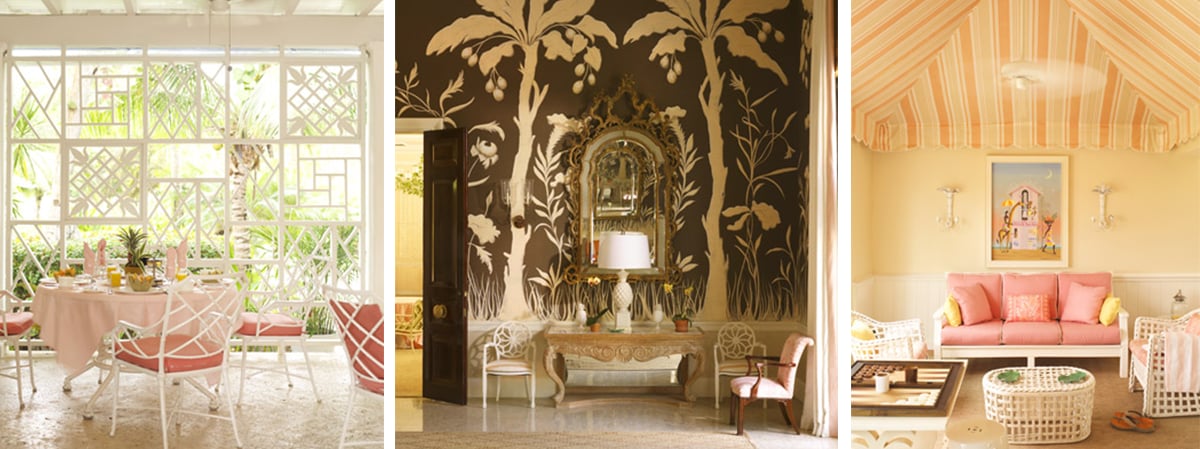
Most mornings in Lyford Cay begin on foot or on the course. You might play nine holes before the heat builds, or meet friends on one of the club's twelve clay courts, where the Har-Tru stays cool underfoot longer than a hard court would. If the water is calm, a morning sail in one of the club's Lasers is an easy alternative.
By late morning, life gathers at the beach. The club's three-quarters of a mile of sand faces the sheltered water of the northwest shore, and the Beach House arranges snorkelling, diving, kayaking and waterskiing for anyone who wants more than a swim. The heated pool, with its sixteen cabanas, is where families settle in for the day, and lunch at the Pool Terrace is rarely rushed.
Afternoons are yours to shape. There is the spa and salon, the fitness centre, a lesson with the tennis professional, or simply the quiet of your own garden. On holiday weekends the sailing club races just off the beach, and the regattas draw a crowd of members and families to the water's edge.
Evenings are the heart of club life. The dining rooms and bars fill with members, their houseguests and friends who have come in from across the island, and in winter the social calendar runs from cocktails to formal dinners through the Christmas and New Year season. Many families have been part of this rhythm for three or four generations, and new members are welcomed into it.
From spring into summer, Lyford Cay grows quieter. The seasonal owners leave, the full-time families remain, and the community settles into a slower, more domestic pace that many residents prefer.
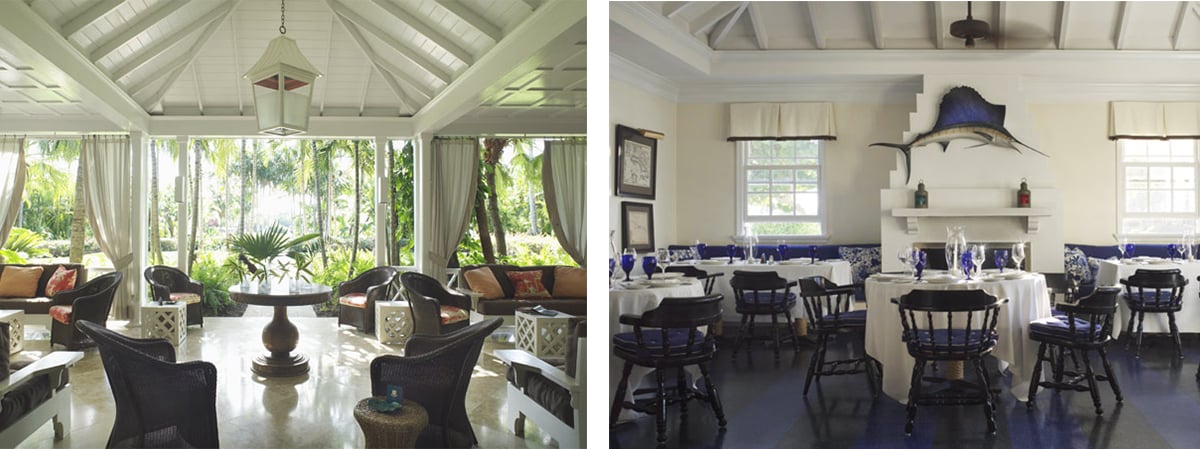
The Lyford Cay Club has six dining venues and eight bars, all reserved for members and their guests. From the beginning, E.P. Taylor set the standard: the club's first manager came from the George V in Paris and its first chef from the Hôtel du Cap on the Riviera, and that expectation of classic European hospitality still shapes the service.
The clubhouse dining room is where members take their guests for dinner, and where the club's formal evenings and holiday celebrations are held. By day, the Cabana Bar and Pool Terrace serve the pool and cabanas with lunch and drinks through the afternoon, and the beach side of the club is the natural place for a long, informal meal with the family.
Because the club is private, dining out in Lyford Cay really means dining in: at the club, or at home, where entertaining is a long tradition and many houses were designed around a dining terrace. For a change, residents cross to Old Fort Bay, Albany or into Nassau itself. Conch salad at Arawak Cay, a friend's table in Old Fort Bay or a Sunday lunch with family across the island are all within easy reach of the western tip.
Golf
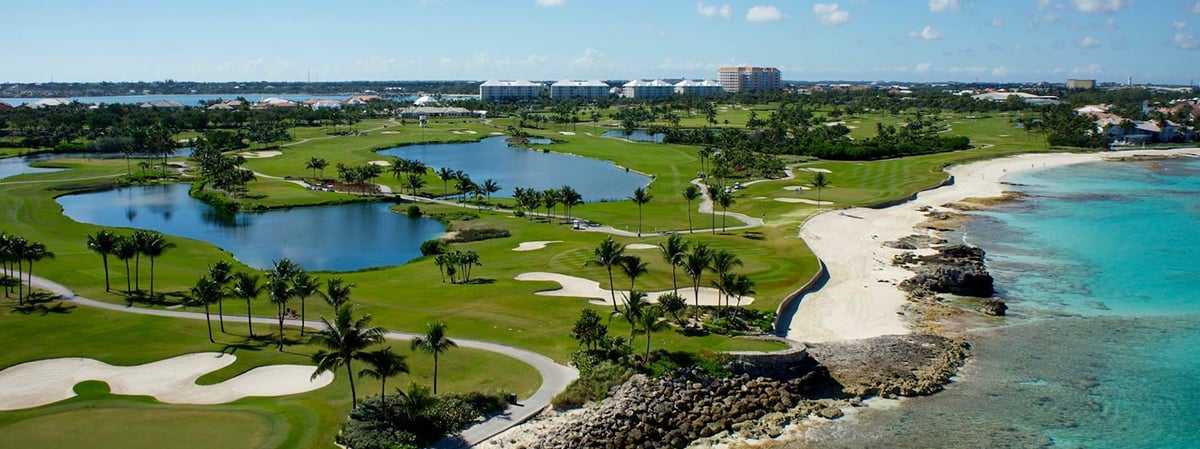
The Lyford Cay course was laid out by the American architect Dick Wilson and opened in 1958, a year before the club itself. In 2006 Rees Jones Design renovated it, rebuilding the greens, reshaping the tees and bunkers, improving the irrigation and extending the course from 6,610 to 7,007 yards. The new length was a quiet nod to Sean Connery, a longtime member. It is a parkland course of mature trees and water, private and unhurried, and it is used by members and their guests only.
Tennis
Twelve Har-Tru clay courts, ten of them lit for evening play, make Lyford Cay one of the most complete private tennis facilities in The Bahamas. Clay is kinder to the knees and cooler in the heat, which is why so many members play daily. Coaching, clinics and match play are organised through the club.
Sailing
Lyford Cay Sailing is the club's private members' sailing club, with a fleet of Olympic-class Lasers and Breta sportsboats stored at the club. Regattas are held off the beach on busy holiday weekends, and many children who grow up here learn to sail in these waters.
Fitness and wellness
The club's fitness centre has personal trainers and a studio, and the spa and salon offer treatments and massage. For full-time families, this replaces the drive into town for a gym or a spa appointment. For seasonal owners, it means stepping straight back into a routine as soon as they arrive.
Boating is one of the oldest traditions in Lyford Cay.
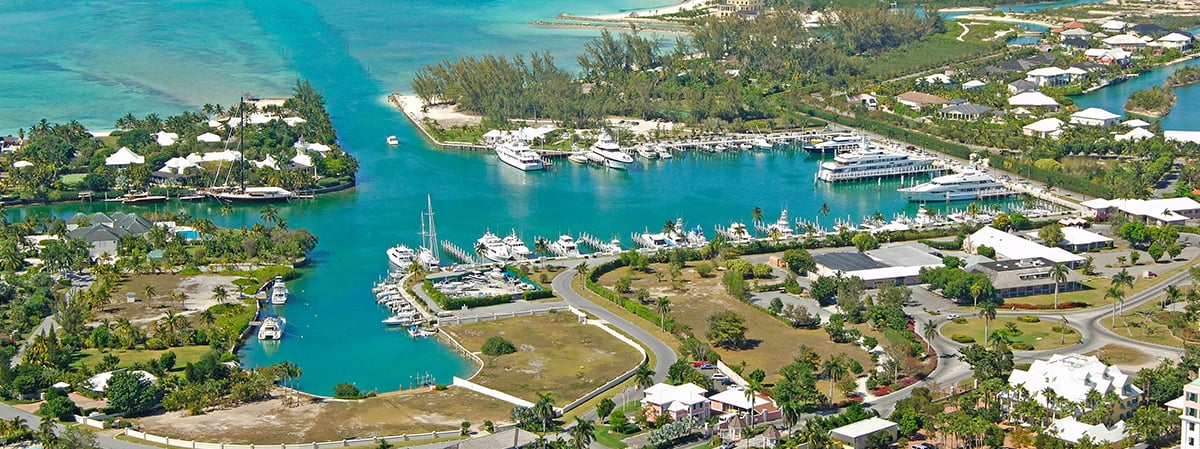
The club's 74-slip harbour is protected, well serviced and, unusually, a port of entry, so yachts arriving from abroad can clear Bahamas Customs and Immigration without first stopping elsewhere. Visiting vessels are welcome for limited stays, but the harbour is private and berths are limited.
Much of the community is laced with canals, and many homes have their own docks, so owners keep a boat at the bottom of the garden and head out without leaving home. From the western tip, some of the best fishing grounds around New Providence are close by, the reefs off Clifton are a short run away, and the Exumas are within a comfortable day's passage.
Lyford Cay suits owners who want the water to be part of daily life: a morning's fishing before breakfast, a tender to a friend's house for lunch, a weekend in the Exumas. For owners of very large yachts who want a home and a mega-yacht berth side by side, Albany's marina may be the better fit.
Lyford Cay's houses have been built over seventy years, and the mix shows it. There is no single style, but there is a shared sense of proportion that goes back to the beginning.
The architectural tradition
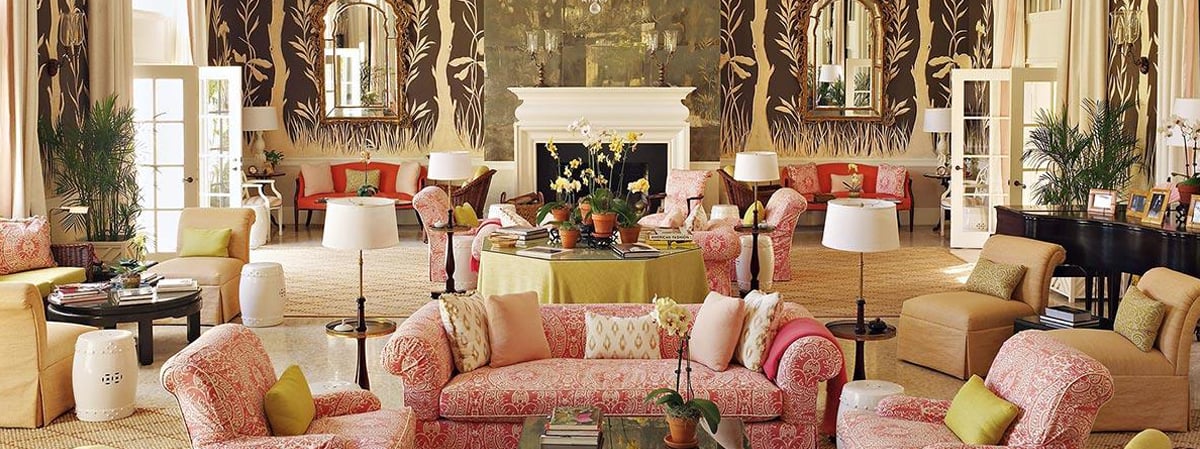
E.P. Taylor brought in the Palm Beach architect John Volk and the designer Henry Melich to set the tone for the first houses, and the interior designer Lady Annie Orr-Lewis to shape the club. Their influence is still visible in the older streets: Bahamian colonial houses with deep verandas and louvred shutters, Georgian houses with symmetrical façades, and low, gracious Palm Beach villas opening onto gardens and pools. Over the decades these have been joined by contemporary homes, some of them substantial, and many of the original houses have been carefully renovated and are still standing.
Beachfront estates
The largest and rarest homes sit on the water, particularly along Clifton Bay. One current estate on the bay stands on more than 3.4 acres with 361 feet of private beach. These are family compounds, often with guest cottages, staff quarters and gardens that have taken decades to mature. They offer the most privacy in the community, and they ask the most of their owners.
Canal-front homes
Much of Lyford Cay was built around canals dug in the 1950s, and canal-front homes are the natural choice for families who boat. The dock is at the bottom of the garden, and a morning's fishing starts at the back door. Seawalls, docks and lifts are part of the upkeep.
Golf course and garden homes
Away from the water, houses on the golf course and on the quieter inland streets offer larger lots, established gardens and more privacy for the price. Many of these are the family homes of full-time residents.
Cottages, condominiums and townhouses
For buyers who want Lyford Cay without the responsibility of an estate, there are cottages along Clifton Bay Drive and Edgewater, condominiums at Sunnyside, a secure gated building within the community, and townhouses overlooking the marina. These are the lock-and-leave options, and often the entry point to the community.
Lots
Buildable lots are scarce. Anyone building here works within the property owners' association's architectural review as well as Bahamian planning requirements, and should allow time for both
When a family asks us which kind of Lyford Cay home is right, we usually start with how they will use the club. The community is built around it, and a house that suits a family who plays golf every morning may not suit one that lives on the water.
Owners who come for the winter and travel the rest of the year are often happiest in a cottage or a condominium at Sunnyside. The home is easy to leave, the club is close, and there is little to maintain. Families with boats tend to settle on the canals, where the dock becomes the front door for half the week.
Families who will live here year-round, with children at Lyford Cay International School, usually want a garden home with room to grow, close to the school and the club. The beachfront estates suit households who think in generations: grandparents in one cottage, children in another, staff quarters and a garden that already has its shade.
Renovating an older house is often the most rewarding route in Lyford Cay. The bones of many of the early homes are excellent, the lots are generous, and the gardens cannot be bought any other way. We would recommend it to someone with patience, a good architect and a realistic budget for what sixty years of salt air does to a roof.
Privacy | Views | Proximity to the club | Maintenance | Best for | |
|---|---|---|---|---|---|
Cottage or condominium | Moderate | Garden, bay or marina | High | Lowest | Seasonal owners, lock-and-leave |
Canal-front home | Good | Canal, sometimes open water | Moderate | Moderate to high, with docks and seawalls | Boating families |
Golf course or garden home | Good to high | Course or garden | Moderate | Moderate | Full-time families |
Beachfront estate | Highest | Ocean and beach | Varies | Highest | Multigenerational households |
Lot | Highest, once built | Depends on lot | Varies | Highest | Buyers with time and a clear brief |
Lyford Cay is among the most expensive addresses in The Bahamas, and prices range widely by position, land and condition. The figures below are publicly listed asking prices observed at the time of writing. Asking prices are not sale prices, and they are not a statement of market value.
Property | Type | Size | Asking price | Asking price per sq ft |
|---|---|---|---|---|
Sunnyside | Condominium, 4 bed | US$4,650,000 | ||
Marina townhouse | Townhouse, 4 bed | US$5,950,000 | ||
17 Chelsea Place | Home, 9 bed, 0.52 acres | 7,760 sq ft | US$7,400,000 | about US$955 |
Cottage 104, Clifton Bay Drive | Home, 4 bed, 0.46 acres | 4,340 sq ft | US$13,700,000 | about US$3,155 |
Clifton Bay Drive beachfront | Estate, 5 bed, 1.78 acres | 11,079 sq ft | US$37,500,000 to US$39,750,000 across agents' sites | about US$3,385 to US$3,590 |
Serendip Cove, Clifton Bay | Estate, 3.4 acres, 361 ft of beach | Price on request |
Lyford Cay is a straightforward place to live and a more involved place to own. For a family office or adviser preparing a purchase, these are the points we would put on the agenda first.
Topic | What to know | What to request or do |
|---|---|---|
Club membership | Owning a home does not make you a member of the Lyford Cay Club. Membership is by application, usually with sponsorship, and can take time. Without it, the golf course, club beach, tennis, sailing and dining are not available. | Discuss membership before committing to a purchase, and understand initiation and annual costs. |
Property owners' association | The community is governed by a property owners' association responsible for security, roads and common areas, with its own dues and architectural review. | Request three years of dues, the current budget and the association's rules, including any on renting. |
Transfer tax | VAT on the conveyance is a flat 10% for non-Bahamian buyers and for companies with any non-Bahamian ownership. By custom it is split equally between buyer and seller unless the contract says otherwise. On a US$10 million purchase, that is US$1 million in total. | Settle who bears the VAT in the offer letter. |
Legal and agency costs | Legal fees are commonly around 2.5% of the price for each side, plus VAT. Agency commission is typically 6% on developed property and 10% on vacant land, plus VAT, and is usually paid by the seller. | Engage Bahamian counsel before signing any agreement. |
Permission to own | Under the International Persons Landholding Act, most non-Bahamian purchases of a single-family home on less than five acres need only registration with the Bahamas Investment Authority. Larger holdings or other uses need a permit. | Counsel files the registration or permit application. |
Ownership structure | Property can be held personally, through a company or in trust. The choice affects VAT, succession and privacy. | Coordinate Bahamian counsel with tax and estate advisers at home. |
Annual property tax | Real property tax rules for non-Bahamian owners were revised with effect from 1 July 2026, and higher rates can apply to undeveloped land held by non-Bahamians. | Ask for the current assessment and a calculation for the specific property. |
Wider tax position | The Bahamas levies no income, capital gains or inheritance tax. Obligations in the buyer's home jurisdiction still apply. | Advisers to confirm home-country reporting. |
Exchange control | Non-residents normally fund a purchase in foreign currency and register the investment with the Central Bank of The Bahamas, which preserves the right to repatriate the proceeds of a sale. | Counsel to handle registration at closing. |
Condition of older homes | Many houses are decades old. Roofs, windows, wiring, plumbing, termite history and hurricane readiness all need inspection. On the canals, so do seawalls and docks. | Commission a full building and marine survey before exchange. |
Insurance and storms | Windstorm cover is essential, and hurricane deductibles are usually set as a percentage of insured value. Construction standard, elevation, impact glazing and back-up power all affect cost. | Obtain an insurance quote before making an offer. |
Staff | Most estates rely on household staff. Staff recruited from abroad require work permits. | Plan staffing and permits alongside the purchase. |
Residency | A purchase of at least B$1 million can support an application for economic permanent residency. Owners may also apply for a Homeowner's Card, which eases entry for the owner, spouse and minor children. | Counsel to advise on timing and eligibility. |
Due diligence | Title, survey, the association's covenants and architectural rules, and a clearance letter confirming dues are paid. | Standard for every Lyford Cay purchase. |
Liquidity | The resale market is small and discreet. Publicly listed homes in September 2026 had been on the market for anything from a few days to more than 500. [MLS DATA REQUIRED] | Plan the holding period and exit before buying. |
Privacy here is the product of time as much as security. There is a guarded gate and a secure perimeter, but the deeper privacy comes from a community that has always kept itself to itself. Residents do not publish who lives here, and the club's members have long preferred it that way.
Club life shapes almost everything. The golf, the beach, the tennis and the evenings all run through the Lyford Cay Club, so a household's experience depends heavily on whether it is a member. For some buyers, that is precisely the appeal: an established social world with its own customs. For others, it is worth weighing carefully before buying.
Family life is well served. Lyford Cay International School, founded by Taylor in 1962, is an independent day school from kindergarten to year 12, and one of a small number of schools in the world authorised to offer every International Baccalaureate programme. Its lower school sits on a seven-acre campus and its upper school on seventeen and a half acres. Children who grow up here tend to learn to sail, play tennis early and know every corner of the community by the time they are ten.
The social year peaks between Christmas and Easter, when seasonal owners and their guests are in residence, and quietens through the summer. Many families are multigenerational, and many are international, but the community has deep Bahamian ties too, most visibly through the Lyford Cay Foundations, whose scholarships have sent generations of Bahamians to universities around the world.
Some parts of life still happen outside the gate. The weekly shop, specialist doctors, government offices, fuller banking and the wider social life of Nassau all mean a drive east. So does much of what makes Bahamian life rich: Sunday lunch with family, a Junkanoo rush-out on Bay Street, a plate of fried snapper at Arawak Cay.
Lyford Cay's continuity also shapes its character. It is an established place with long-standing customs, and it moves at its own pace. Buyers who want contemporary architecture and extensive resort services managed inside the gate often find Albany suits them better, and families who want a quieter residential community without a private club at its centre often prefer Old Fort Bay.
Living in Lyford Cay means knowing the western end of New Providence well.
Just east of the gate, Old Fort Bay Town Centre handles groceries, the pharmacy and most everyday errands, and the surrounding area has cafés and services that residents use daily. Windsor School's lower campus is nearby, and Albany, on the south coast, is about fifteen minutes away.
To the south, Clifton Heritage National Park protects Lucayan, Loyalist and African heritage sites along some of the clearest water on the island, and nearby Jaws Beach is where Nassau families spend quiet weekend afternoons. Adelaide Village, one of the oldest settlements on New Providence, founded in the 1830s by Africans freed from a slave ship, lies further along the south coast.
The airport is about fifteen minutes by car, and downtown Nassau and Arawak Cay are around thirty to forty minutes east, depending on traffic, for dinner, government business and the energy of the city.
yford Cay tends to make sense for families who value privacy, continuity and an established club life, and who expect to be part of the community for many years. It suits golfers and tennis players who want to play daily at a private club, and boating families who want a dock at the bottom of the garden.
It works particularly well for multigenerational households who want space for everyone, for families with children at Lyford Cay International School, and for international owners who want a Bahamian home with a long social history and a discreet reputation. Buyers who want a lock-and-leave option within the gate are well served by the cottages and Sunnyside.
It makes less sense for buyers who want contemporary architecture and a full range of resort services inside the gate, or who do not intend to join the club, since so much of life here runs through it. Owners of very large yachts may find Albany's marina more practical. Families wanting a quieter residential community without a private club at its centre, and close to everyday Nassau, often choose Old Fort Bay.
In our experience, the choice between the three usually comes down to how a family spends an ordinary week.
Lyford Cay | Albany | Old Fort Bay | |
|---|---|---|---|
Residential character | Established, private-club community since the 1950s | Modern, planned, resort-scale | Gated residential community, quieter and more domestic |
Housing stock | Mature estates, canal-front homes, cottages and condominiums, of varied ages | Contemporary marina residences, villas, custom homes, lots | Family homes and canal-front houses |
Amenity structure | Built around the private Lyford Cay Club, by membership | Extensive and managed inside the gate | A club and beach, with the town centre next door |
Boating | 74-slip harbour and port of entry, plus canal docks | Mega-yacht marina, 71 slips | Canal-front homes with private docks |
Golf | Dick Wilson course, renovated by Rees Jones | Ernie Els course, Hero World Challenge | None on site |
Social atmosphere | Long-established, multigenerational, discreet | Younger, international, relaxed | Resident families, many Bahamian |
Privacy | Highest, with club membership by application | Controlled gate, varies by home | High, residential |
Location | Western tip | South coast, closest to the airport | Northwest coast, near everyday Nassau |
Typical priorities | Heritage, club life, space | Amenities, marina, ease | Family life, practicality, water access |
A Lyford Cay search with us begins with a conversation about how you want to live. Will you join the club? How often will you be here? Does the boat matter more than the garden? Will the children be at school here, or only on holiday? The answers usually narrow the choice between a cottage, a canal-front home and an estate faster than any tour.
From there, we look at everything publicly listed and give you a candid view of value, including where an asking price is ahead of the market or where a house needs more work than its listing suggests. Because we know many owners and brokers in western New Providence, we can learn of homes that are not being advertised, and we make those enquiries quietly.
We work alongside your attorney, banker and other advisers, and we are comfortable telling you when Lyford Cay is not the right fit. Many of our clients stay with us long after the purchase, for leasing, resale or the next move. We measure our work by those long relationships rather than by any single sale.
Not every home is advertised
In a community that has always valued privacy, some owners would consider the right offer without ever listing their property. Where it is appropriate, Rolle Realty Group can make discreet enquiries on your behalf, with your identity and your brief kept private throughout.


